

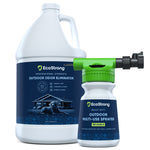

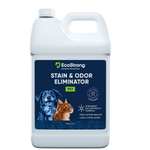


For many pet owners, the immediate reaction to an indoor accident is to head to the kitchen pantry. The internet is filled with "life hacks" suggesting that common household items like vinegar, baking soda, or even dish soap can serve as an effective pet odor eliminator. While these methods are popular due to their low cost and accessibility, they often provide a false sense of cleanliness while leaving behind microscopic hazards.
To maintain a truly hygienic home, especially one shared by children and sensitive animals, it is vital to understand the limitations of DIY remedies and the potential dangers of traditional household chemicals, and what to try instead.
The Myth of the "Vinegar Fix"
Vinegar is a staple of "green" cleaning, but when it comes to pet waste, it is fundamentally overmatched. As an acetic acid, vinegar can neutralize some odors temporarily, but it fails to address the primary culprit of pet smells: uric acid crystals.
When a pet urinates, the urea and proteins begin to break down immediately. While vinegar might mask the scent for a few hours, it cannot dissolve the salts and crystals that bond to carpet fibers. Furthermore, vinegar is highly acidic; if not perfectly rinsed, it can damage hardwood finishes and even encourage pets to "re-mark" the territory, as the pungent scent of vinegar can mimic certain components of rival animal pheromones.
The Hidden Dangers of Traditional Chemical Cleaners
When DIY methods fail, many homeowners turn to heavy-duty industrial cleaners. However, products containing bleach, ammonia, or phthalates pose significant risks in a household with pets and children.
1. The Proximity Factor
Pets and toddlers spend the majority of their time on the floor. When you use a chemical-heavy cleaner, the "active agents" don't simply vanish. They leave behind a residue that can be absorbed through the paws or skin.
Cats, in particular, are at risk as they groom themselves and ingest the chemicals they picked up from the floor.
2. Respiratory Irritants
Strong synthetic fragrances, often labeled simply as "parfum", are designed to cover up smells rather than eliminate them.
These volatile organic compounds (VOCs) can trigger asthma in children and respiratory distress in birds and small mammals.
3. The "Ammonia Paradox"
Using ammonia-based cleaners to clean dog or cat urine is a common mistake. Since urine itself breaks down into ammonia, cleaning with it can actually reinforce the scent to a pet’s sensitive nose, leading to repeat accidents in the same spot.
Why Bio-Enzymatic Technology is the Safer Alternative
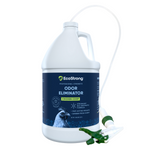
If home remedies are ineffective and industrial chemicals are toxic, what is the solution? This is where a professional pet odor eliminator like ours becomes essential. Rather than using "brute force" chemistry, it utilizes biology.

Eliminating the Source, Not the Scent
A bio-enzymatic formula does not mask the smell; it consumes it. The enzymes break down the organic matter: urine, feces, or vomit into base components that the natural bacteria then "eat." Once the organic mess is gone, the odor is gone forever because the source no longer exists.
Safety for the Most Vulnerable
Because our formula is free from harsh chemicals and additives, it provides peace of mind for parents and pet owners.
- No Toxic Residue: Once the area dries, there are no harmful films left behind.
- Natural Counteractants: Instead of heavy synthetic perfumes, it uses natural odor counteractants and a light citrus scent that fades after 24 hours, ensuring the air remains clear.
- Gentle on Surfaces: Unlike vinegar (which can strip finish) or bleach (which can discolor fabric), bio-enzymatic cleaners are pH-neutral and safe for everything from delicate upholstery to car interiors.
The Economics of "Doing it Right the First Time"
While a bottle of vinegar is inexpensive, the long-term cost of ineffective cleaning is high. Leftover uric acid can lead to:
- Permanent Subfloor Damage: Requiring expensive structural repairs.
- Repeated Soiling: Forcing the replacement of entire rooms of carpeting.
- Laundry Fatigue: Standard detergents often fail to lift "pet funk" from bedding, leading owners to throw away perfectly good textiles.
Using a specialized pet odor eliminator is an investment in the longevity of your home’s assets, such as carpets, expensive recliners, sofas, mattresses, and more.
Guaranteed Results: The 60-Day Difference
One of the biggest frustrations with DIY cleaning is the lack of a "Plan B" when the smell returns a week later. Professional solutions provide a level of accountability that home remedies cannot. Here at EcoStrong, for instance, we offer a 60-day money-back guarantee. This reflects a level of scientific confidence in the bio-enzymatic process; it is a guarantee that the chemistry will work, or the consumer isn't out of pocket.
Eliminate Pet Odors Today
A clean home should not come at the expense of the health of its inhabitants. While the allure of "pantry cleaning" is strong, the complex chemistry of pet waste requires a more sophisticated solution. Choosing a bio-enzymatic pet odor eliminator offers a solution that is effective because it is scientifically sound, environmentally responsible, and, most importantly, safe for the pets and children living in your home.